
Sensory play is one of the most valuable ways young children learn about the world around them. Whether they are squishing playdough, digging through sensory sand, blowing bubbles or mixing fizz potions, sensory experiences encourage curiosity, creativity and hands-on learning.
Sensory play supports fine motor development, language skills, problem-solving and imaginative play while providing opportunities for children to explore different textures, colours, sounds and movements.
If you’re looking for simple sensory play ideas for toddlers and preschoolers, here are some of our favourites.
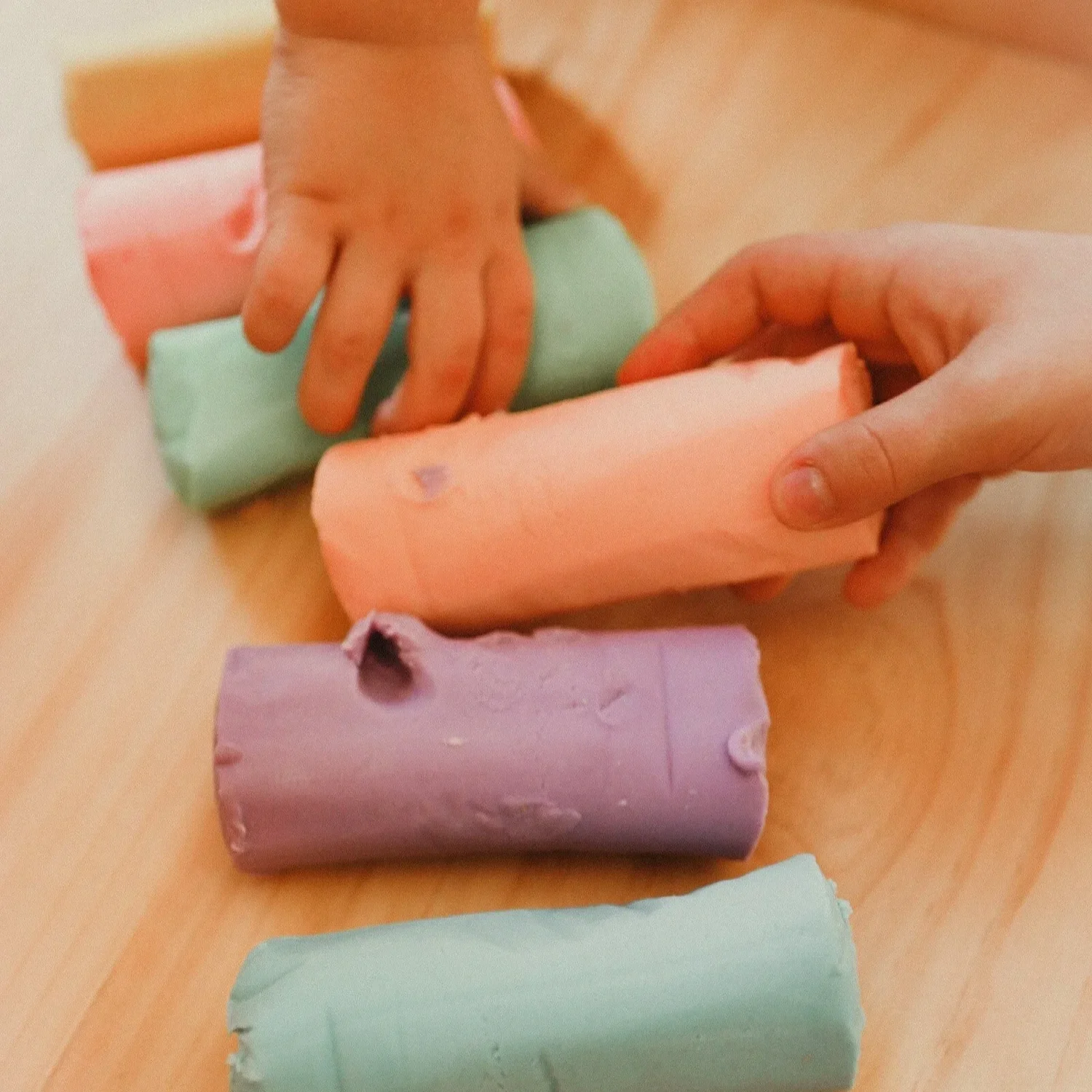
1. Create with Playdough
Playdough is a timeless sensory activity that encourages creativity while strengthening little hands.
Invite children to roll, squish, stamp and cut their creations using playdough tools. They might create a flower garden, bake pretend cupcakes, build a dinosaur world or make animal tracks in the dough.
Playdough play supports:
Fine motor skills
Hand strength
Creativity
Early literacy and numeracy concepts
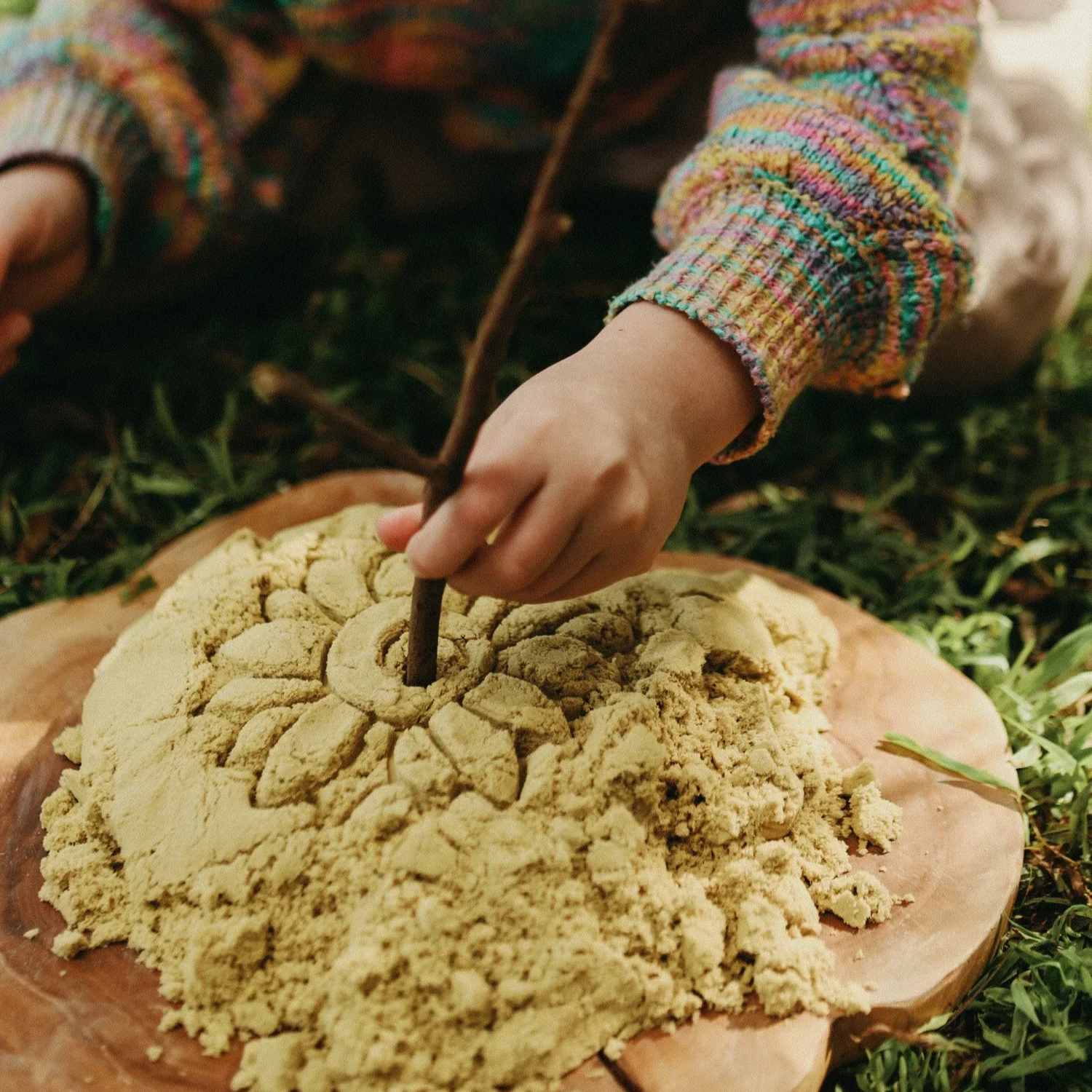
2. Explore Sensory Sand
Sensory sand offers a completely different texture for children to investigate and enjoy.
Set up a simple tray with sensory sand and allow children to scoop, pour, dig and mould. Add play moulds, cups or loose parts to encourage open-ended exploration.
Ideas include:
Filling play moulds with sand
Making shapes with playdough cutters
Creating roads and construction sites
Hiding treasures to discover
Making patterns and impressions
Sensory sand encourages imaginative play while developing coordination and concentration.

3. Mix Fizz Potions
Fizz play combines sensory exploration with a little bit of science magic.
Children love watching colours fizz, bubble and react as they create their own potions and experiments.
Try:
Fairy potions
Dinosaur excavation trays
Nature-inspired potion making
Colour mixing activities
Add dried flowers, leaves and natural treasures to create beautiful invitations to play that engage multiple senses at once.
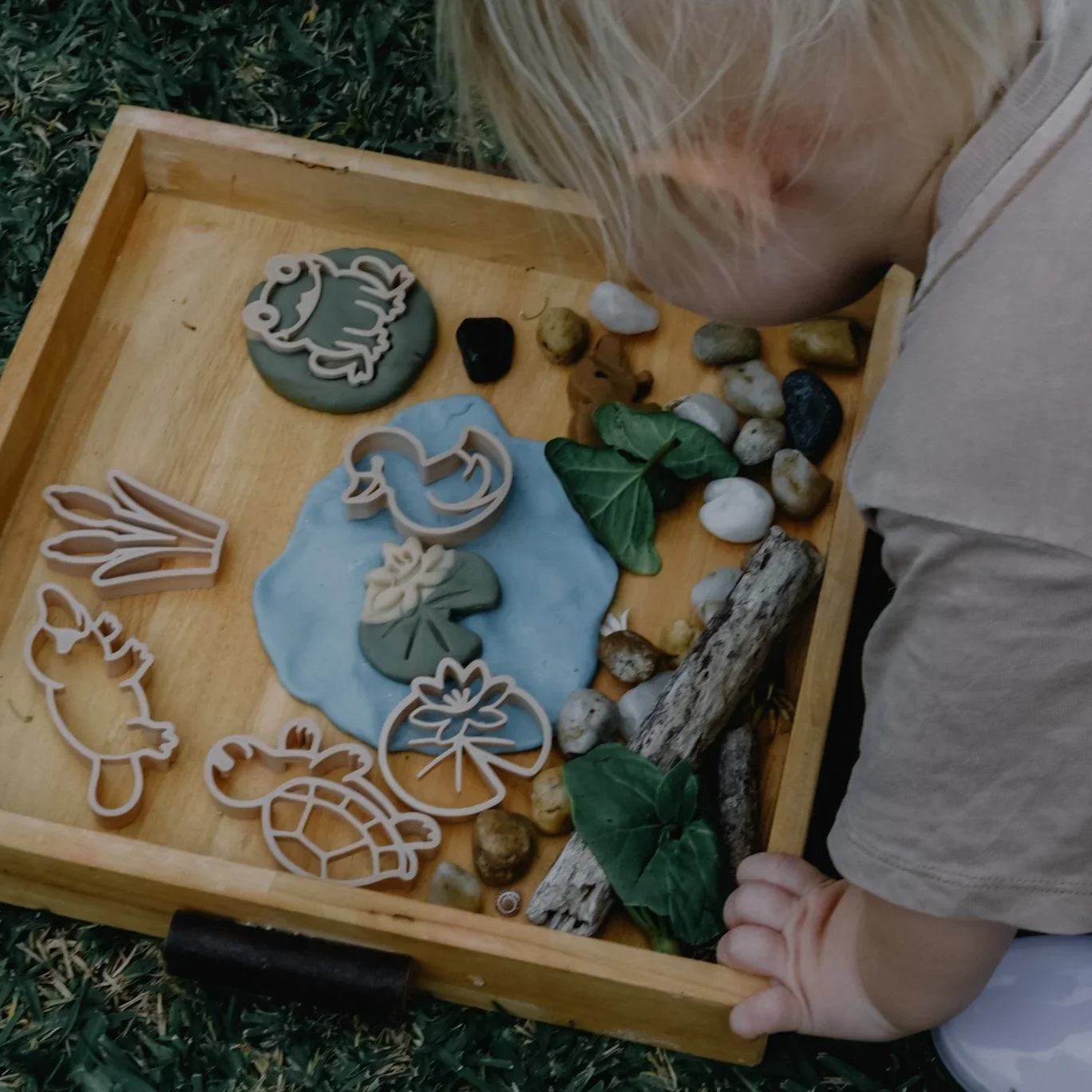
4. Create a Nature Sensory Tray
Nature provides endless opportunities for sensory exploration.
Collect items from the garden or a nature walk and place them in a tray for children to investigate.
You might include:
Leaves
Flowers
Seed pods
Sticks
Gum nuts
Shells
Children can sort, count, arrange patterns and create imaginative scenes while building a connection with the natural world.

5. Enjoy Bubble Play
Bubble play is a simple outdoor sensory activity that children rarely tire of. Blowing, chasing and catching bubbles supports a range of developmental skills while encouraging active play.
Bubble play can help develop:
Hand-eye coordination
Oral motor skills
Gross motor skills
Focus and concentration
Try creating giant bubbles, bubble races or simply enjoying a bubble-filled afternoon in the backyard. Bubble wands in different shapes and sizes can help spark curiosity and encourage children to experiment with movement, airflow and outdoor play.
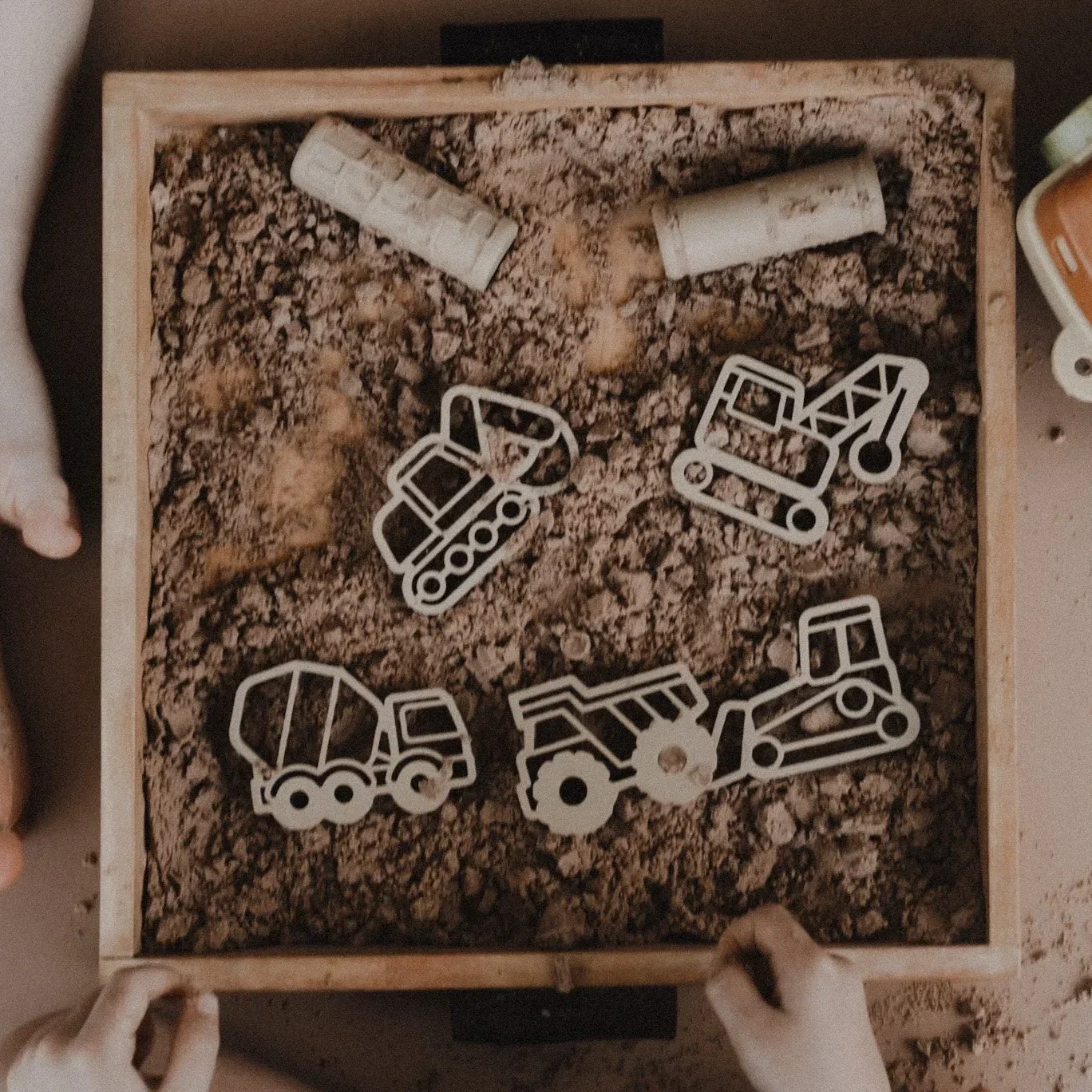
6. Build Small World Play Scenes
Small world play combines sensory exploration with storytelling and imagination.
Using playdough, sensory sand, natural materials and loose parts, children can create their own miniature worlds.
Ideas include:
Farm adventures
Dinosaur habitats
Construction scenes
Insect gardens
Ocean explorations
Small world play encourages creativity, language development and problem-solving.
7. Water Play Adventures
Water play is a wonderful sensory activity, particularly during warmer weather.
Simple water play invitations might include:
Pouring stations
Floating and sinking experiments
Colour mixing
Washing toy animals
Children naturally explore concepts such as volume, cause and effect, and movement while playing.
Why Sensory Play Matters
Sensory play is much more than keeping little hands busy.
Through sensory experiences, children develop:
Fine motor skills
Hand strength and coordination
Creativity and imagination
Language and communication skills
Problem-solving abilities
Confidence and independence
Most importantly, sensory play allows children to learn through exploration, discovery and joyful play.
Bringing Sensory Play to Life
At Kinfolk Pantry, we believe some of the best learning happens through hands-on play. Whether children are squishing playdough, digging through sensory sand, mixing fizz potions, creating nature trays or chasing bubbles outdoors, sensory play encourages curiosity, creativity and meaningful learning experiences.
With a few simple materials and a little imagination, sensory play can become part of everyday childhood adventures.
Ready to Explore Sensory Play?
Whether your little one loves squishing playdough, digging through sensory sand, mixing fizz potions or chasing bubbles outdoors, sensory play offers endless opportunities for learning through play.