
10 Playdough Activities for Toddlers
Playdough activities for toddlers are one of the best ways to support fine motor skills, creativity, and calm, focused play at home.
In this guide, you’ll find 10 simple playdough activities using everyday tools that encourage learning through play and keep little hands busy.
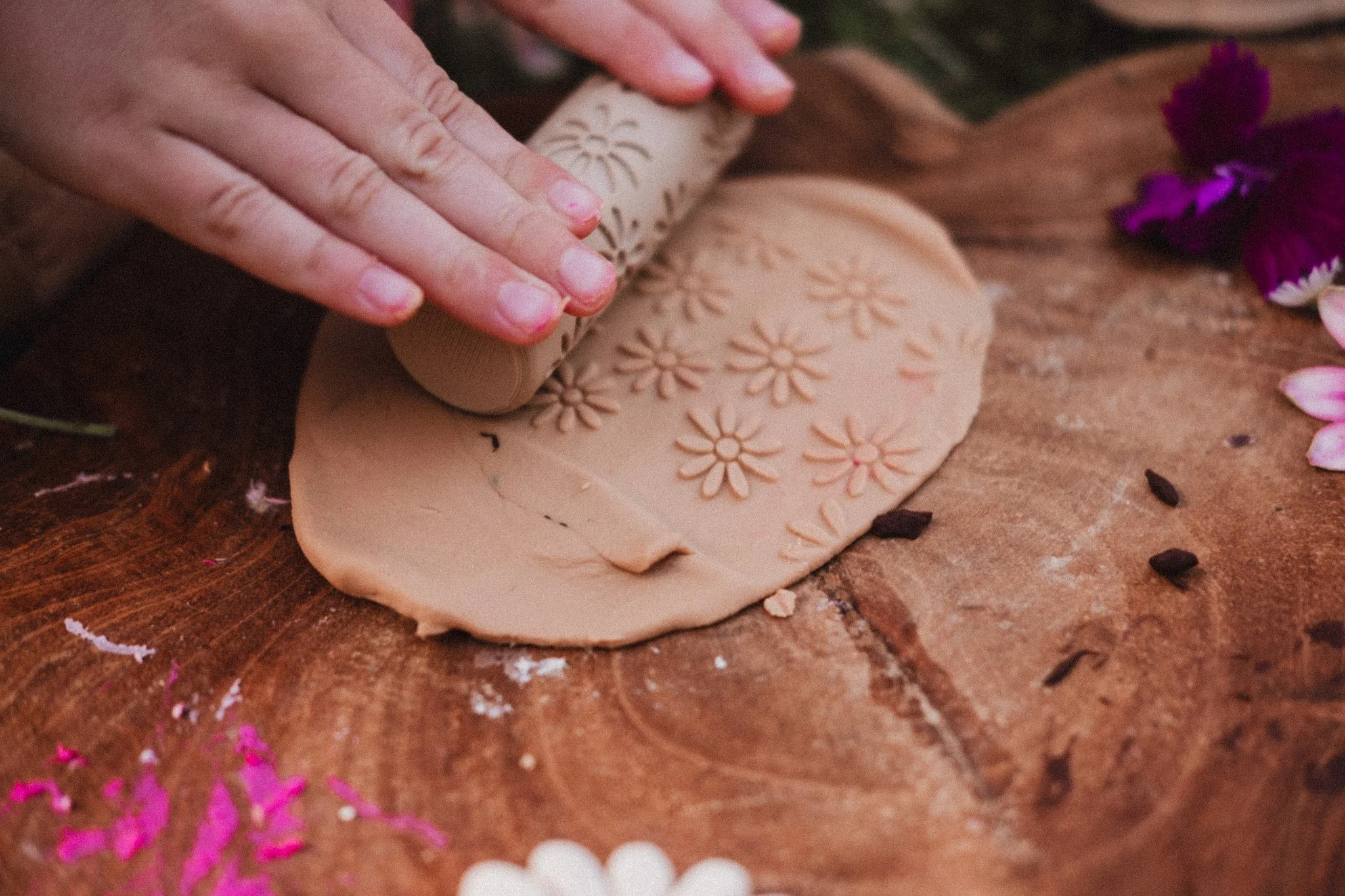
1.Roll & Press
Using a rolling pin and simple tools, children can roll out playdough and press shapes into it.
This simple activity helps build hand strength and coordination while introducing basic shapes and patterns.
2. Nature Imprints
Take playdough outside and press leaves, flowers, or sticks into it.
This sensory activity connects children with nature while encouraging curiosity, creativity, and fine motor skills.
3. Build a Garden
Use playdough to create flowers, stems, and little garden scenes.
You can extend this by adding small tools or natural elements to create imaginative storytelling and open-ended play.
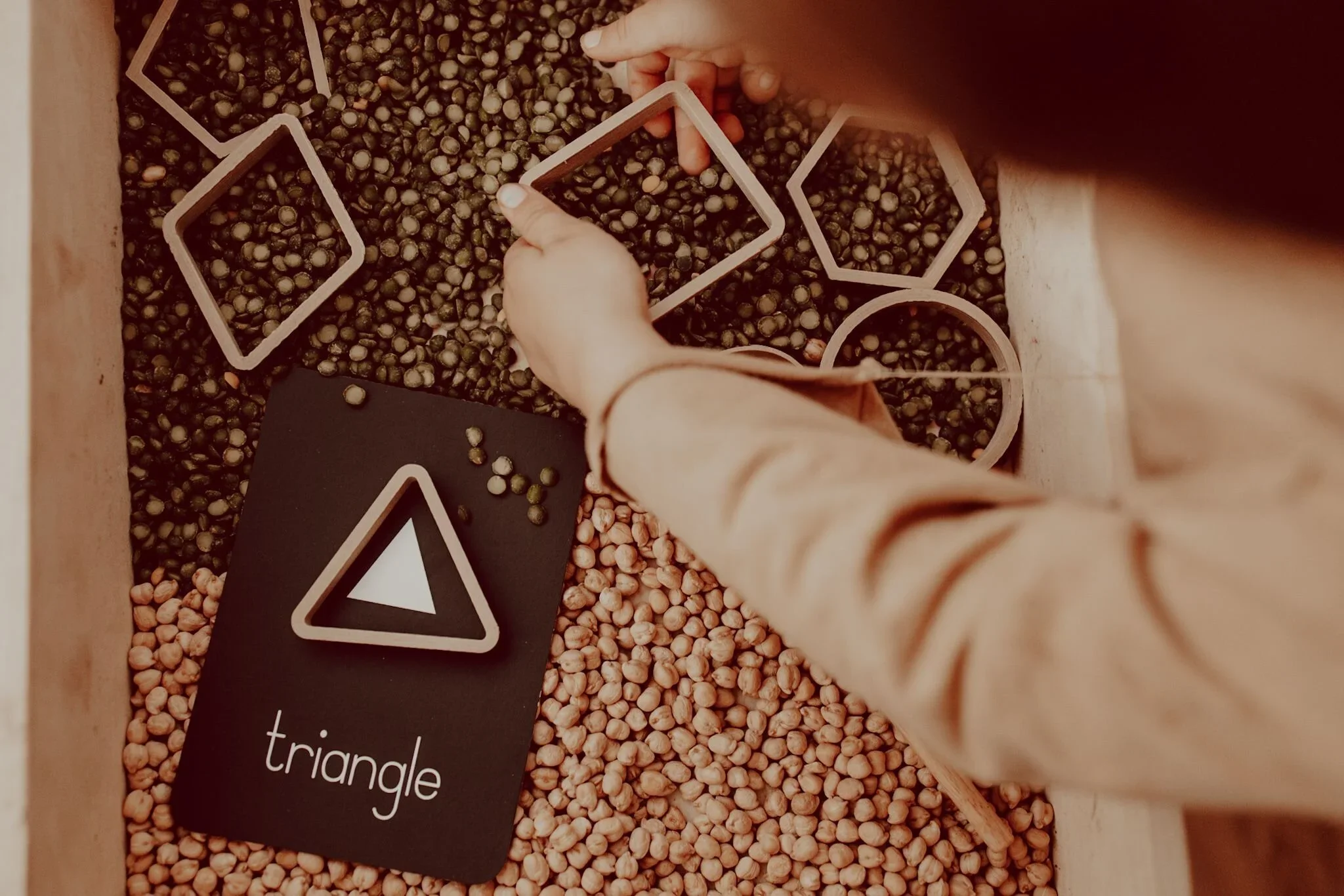
4. Shape Sorting
Create different shapes and ask your child to group or name them.
You can extend this by sorting by size, colour, or type, helping build early problem-solving and classification skills.
5. Animal Creations
Make simple animals using playdough and tools.
Try using cutters or stamps to create familiar animals and encourage storytelling and imaginative play.
6. Pretend Baking
Roll, cut, and “bake” pretend cookies or treats.
This activity supports role play and helps children explore everyday routines in a fun and creative way.
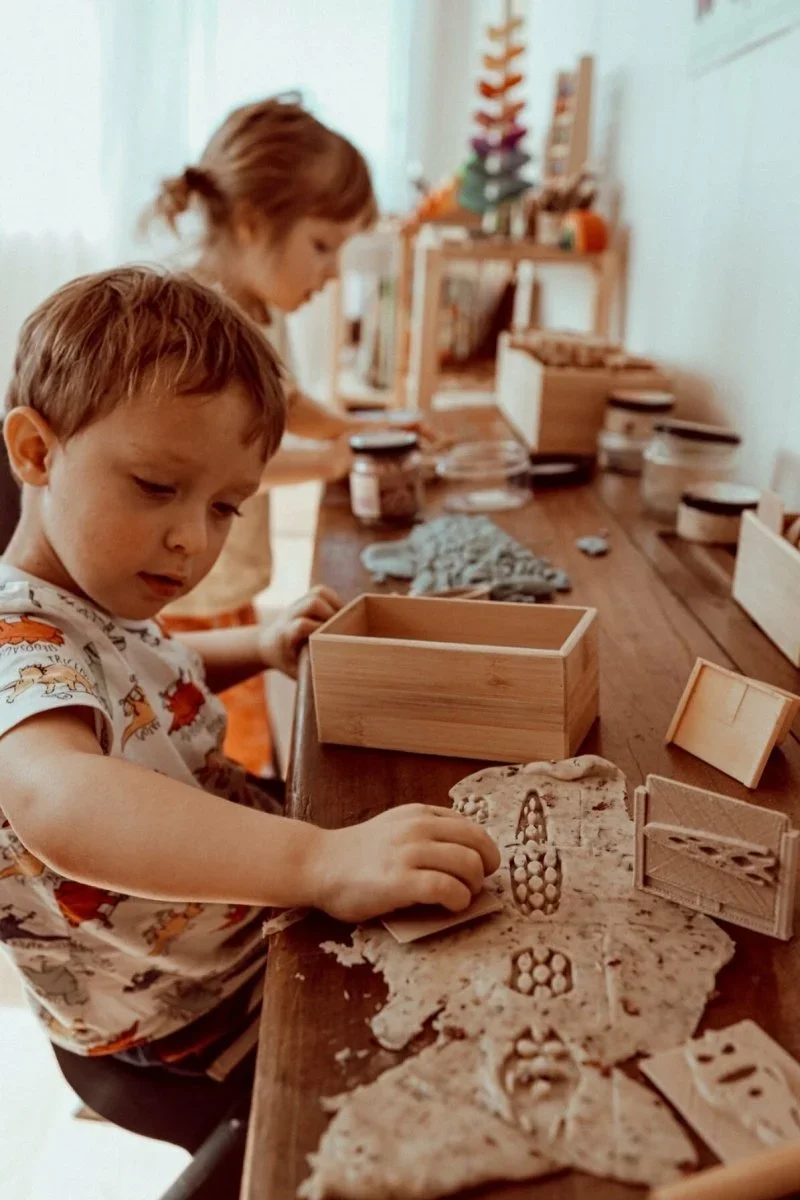
7. Stamp Patterns
Use stamps to create repeating patterns in the dough.
You can encourage your child to create their own patterns or copy simple sequences, supporting early learning and creativity.
8. Calm Play Setup
Set up a simple tray with:
A few tools
Neutral colours
Keeping the setup simple and calm can help children feel more focused and engaged, creating a peaceful play experience at home.
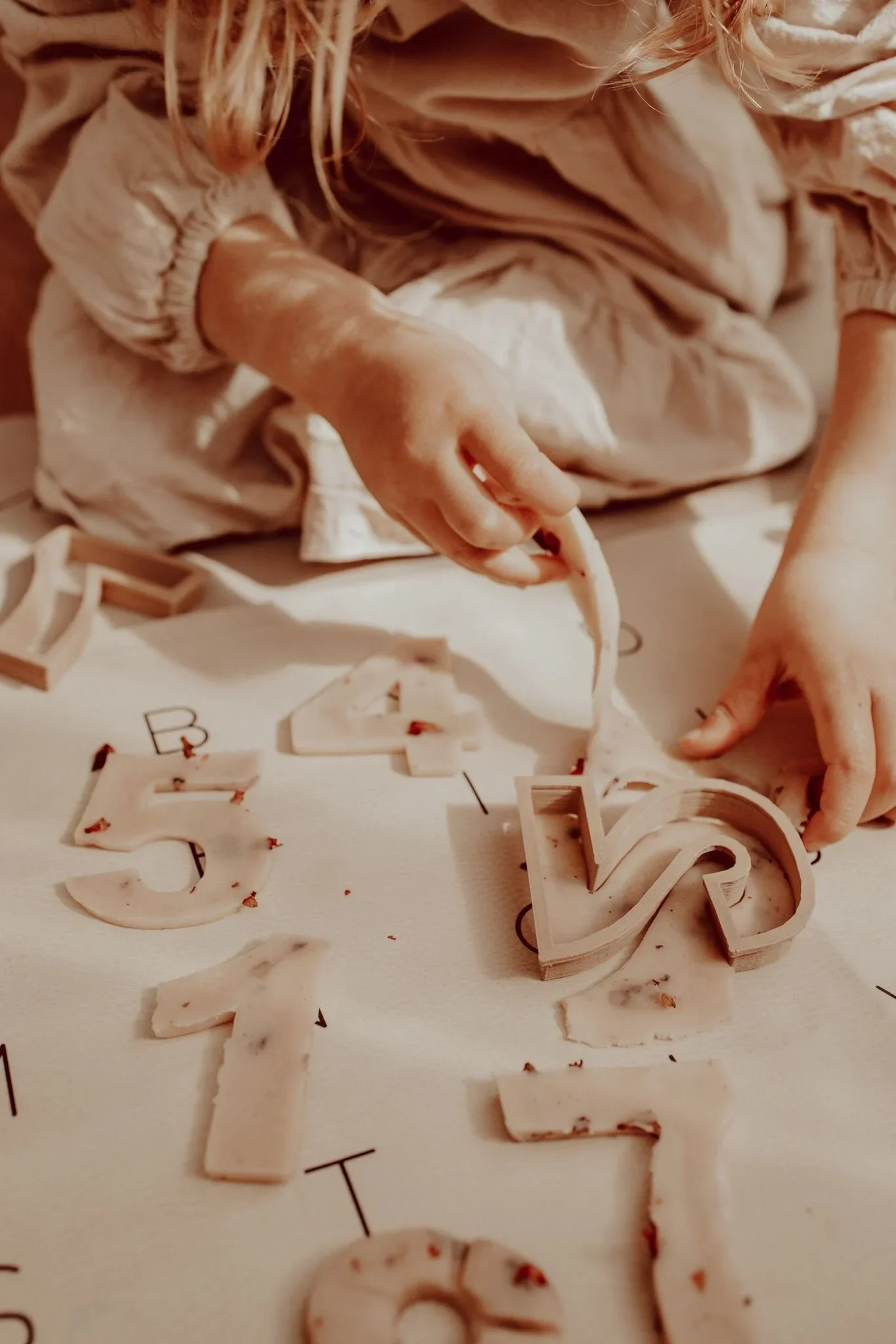
9. Letters & Numbers
Use playdough to form letters or numbers.
You can roll snakes to shape letters or press alphabet cutters into the dough.
This is a great way to introduce early literacy and numeracy through hands-on play.
10. Free Play
Sometimes the best activity is no instructions at all.
Let your child explore, create, and use their imagination freely with playdough and simple tools.
Open-ended play builds creativity, confidence, and independent thinking.
FAQs about playdough activities for toddlers
What age are playdough activities suitable for?
Playdough activities are great for toddlers from around 12 months with supervision. Simple rolling, pressing, and shaping helps build early fine motor skills.
How do playdough activities help development?
Playdough supports fine motor skills, hand strength, creativity, and early problem-solving through open-ended play.
What tools can you use with playdough?
Simple tools like rolling pins, cutters, and stamps can make play more engaging and help develop coordination and pattern recognition.
Playdough activities don’t need to be complicated to be meaningful. With a few simple playdough tools and a calm setup, you can create moments of creativity, connection, and learning every day.