
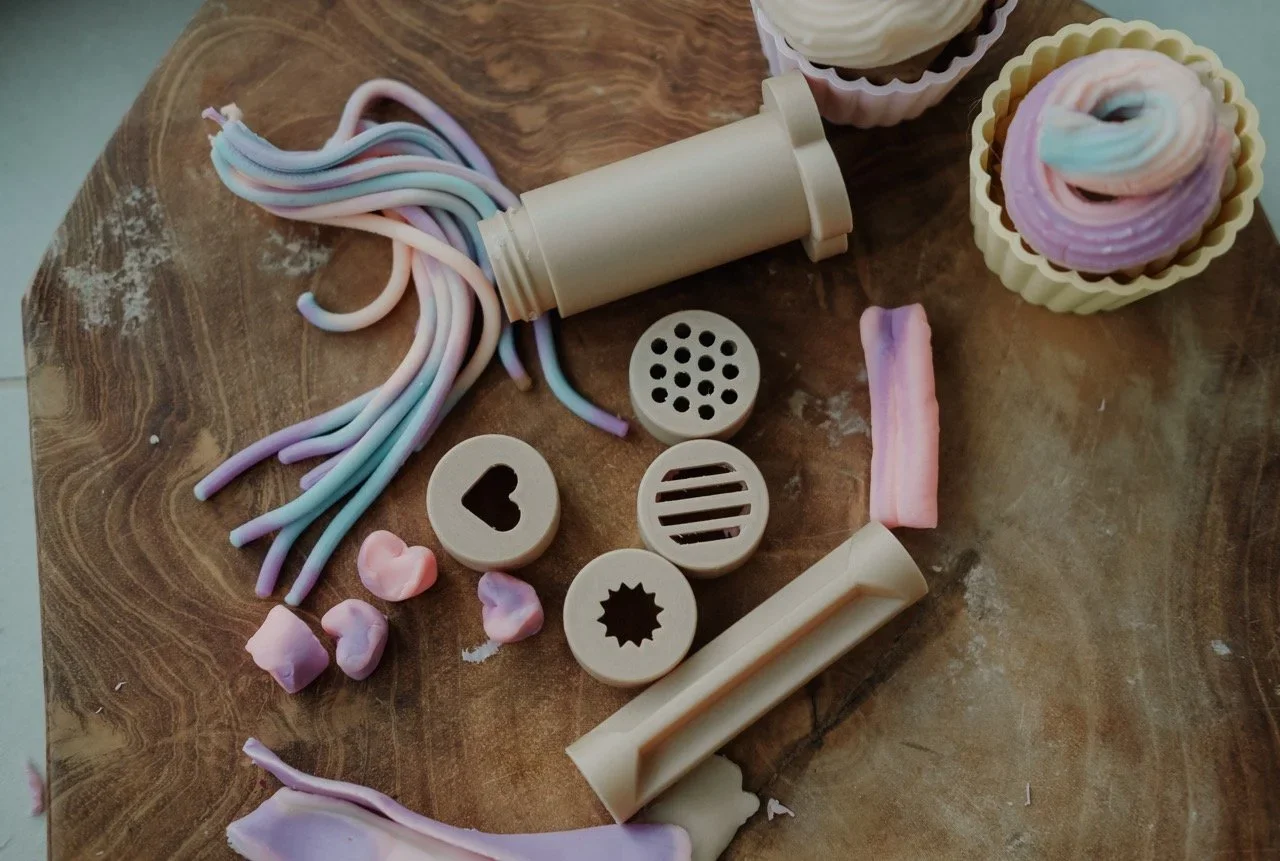
Guide to Plant-based Playdough Tools
A gentle guide to choosing thoughtfully made, plant-based playdough tools, with a focus on materials, safety, durability and slow, creative play.

Playdough is one of childhood’s most loved play materials, creative, calming, open-ended and endlessly engaging. The tools children use alongside it can make a big difference too, from how they feel in little hands to the materials they’re made from and how thoughtfully they’re produced.
As parents and educators become more conscious of materials, durability and safety, there’s growing interest in playdough tools that are made with care and designed for long-lasting, open-ended play.
This guide will walk you through what to look for when choosing playdough tools, including materials, design, safety, durability and the different options available for creative play.
What Are Plant-based Playdough Tools?
Plant-based playdough tools are made using materials derived partly or wholly from renewable plant sources. Our tools are made from PLA bioplastic, a material commonly produced from plant-based resources such as corn or sugarcane.
When choosing playdough tools, it can also be helpful to consider:
The materials used
How and where the products are made
Durability and intended lifespan
Safety and suitability for children
Whether the design encourages open-ended, creative play
At Kinfolk, our play tools are manufactured in small batches in Australia using plant-based PLA bioplastic. Our production is powered by solar energy, and we carefully manage our manufacturing process to minimise material waste.
Why Playdough Tools Matter for Child Development
Thoughtfully designed playdough tools support:
• Fine motor skills (hand and finger strength)
• Hand-eye coordination
• Bilateral hand use
• Pre-writing skills
• Sensory regulation
• Creativity and imagination
When children press, roll, stamp, cut, and shape dough, they are strengthening the exact muscles needed for writing, drawing, dressing, and everyday self-care.
What to Look for in Playdough Tools
When choosing playdough tools, it can be helpful to consider:
What materials the tools are made from
Whether the manufacturer provides clear safety information
Durability and intended lifespan
Where and how the products are made
Whether the tools are suitable for the child’s age and intended use
Clear material information and transparent manufacturing practices can make it easier for parents and educators to choose tools that suit their needs.
What Materials Are Commonly Used in Playdough Tools?
Playdough tools can be made from a variety of materials, including:
PLA bioplastic
Wood
Conventional plastics
Silicone
Metal
PLA is a type of bioplastic made using renewable plant-based feedstocks such as corn or sugarcane. Like many modern materials, the best end-of-life option will depend on the recycling or composting facilities available locally.
Are Plant-Based Playdough Tools Safe for Kids?
Safety depends on the material, design, age suitability and testing of the individual product — not simply whether it is described as plant-based or eco-conscious.
When choosing playdough tools, look for:
Clear age recommendations and warnings
Smooth, well-finished edges
Strong, durable construction
Transparent information about the materials used
Appropriate toy safety testing or compliance information
Care and use instructions from the manufacturer
At Kinfolk, we design our play tools specifically for children’s play and provide clear age guidance, safety information and relevant product testing.
Why Australian-Made Matters
Choosing Australian-made playdough tools supports:
• Local manufacturing
• Ethical production standards
• Better material traceability
• Faster shipping
It also helps ensure products meet local safety expectations and supports small businesses and communities.
Sensory Benefits of Plant-based Playdough Tools
Plant-based tools often prioritise:
• Tactile comfort
• Smooth handling
• Natural textures
• Calm, neutral colour palettes
This helps nurture:
• Regulation for overstimulated nervous systems
• Slower, more mindful play
• Deeper concentration and engagement
How to Build a Simple Plant-based Playdough Setup at Home
You don’t need an elaborate setup. A calming play invitation can be created with:
• A small neutral tray
• Two dough colours
• One roller
• A couple of cutters or stamps
Place the invitation quietly and allow your child to explore without instruction, following their own rhythm and curiosity.
FAQ: Plant-based Playdough Tools for Kids
Are Plant-based playdough tools biodegradable?
PLA is made using renewable plant-based resources, but it generally requires specific industrial composting conditions to break down effectively. End-of-life options can vary depending on the facilities available in your area.
Are Plant-based playdough tools safe for toddlers?
Safety depends on the individual product, its size, design and age recommendation. Always follow the manufacturer’s age guidance, warnings and supervision instructions.
What’s better, wooden or plant-based playdough tools?
Both can be beautiful options. The key is smooth finishes, durability, and child-safe production.
Do Plant-based playdough tools last as long as conventional plastic ones?
They can. Lifespan depends more on the material, design, construction and how the product is cared for than whether it is plant-based or conventional plastic.
Choosing Tools With Intention
Play is more than entertainment. It supports creativity, connection, confidence and the development of important everyday skills.
Choosing play tools thoughtfully can mean considering things like:
Your child’s age and stage of development
The materials used
Durability and design
How the product encourages open-ended play
The values and manufacturing practices behind the brand
Small, thoughtful choices can help create a play environment that feels meaningful, engaging and made to last.